Product Care
Care for the gear that carries your time on the water.
A simple rinse, a complete dry, and thoughtful storage can make water recreation gear easier to inspect and prepare for the next outing. Use this guide as a practical starting point, then follow the care directions provided with your specific product.

The best care routine is the one you can repeat.
Water, salt, sand, sunscreen residue, shoreline grit, and trapped moisture can collect around seams, closures, straps, fins, valves, buckles, and adjustment points. A short post-activity routine helps you notice wear early and pack equipment away in a cleaner, drier condition.
Different materials need different treatment. Avoid harsh cleaners, stiff abrasives, excessive heat, or force unless the product instructions specifically allow them. When in doubt, use fresh water, a soft cloth, gentle handling, and complete air drying away from intense heat.
Always check the care label, manual, material notes, valve guidance, closure instructions, and any maintenance directions supplied with the item.
From shoreline to storage.
Build the same sequence into every beach, lake, river, pool, or dock day so wet equipment is not forgotten in a bag, vehicle, or closed storage area.
Rinse away residue
Use fresh water where appropriate to remove salt, sand, lake grit, pool residue, and loose debris from exposed surfaces and hardware.
Fresh-water rinse
Inspect the details
Look over seams, straps, closures, valves, fins, fasteners, clips, handles, and high-contact areas while the gear is clean and visible.
Quick inspection
Dry completely
Open pockets and closures when appropriate, separate removable parts, and allow trapped moisture to leave before packing or folding.
Air before storage
Store with care
Choose a clean, dry place away from unnecessary heat, crushing loads, sharp edges, and prolonged exposure to strong direct sunlight.
Ready for next time
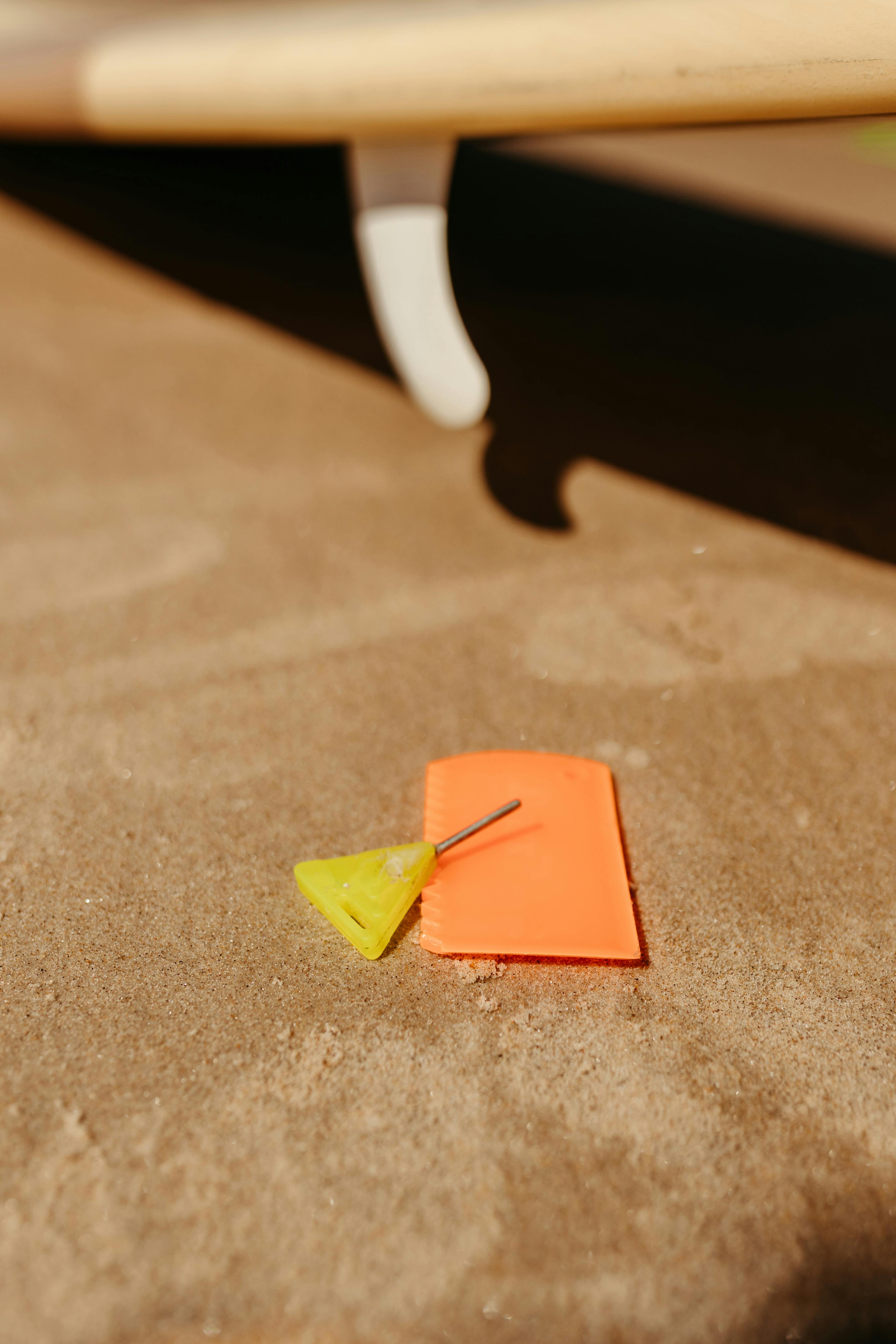
Pay attention to the places that hold water and grit.
The broad surfaces are usually easy to rinse. Closures, tracks, seams, attachment points, textured deck areas, buckles, and small fittings deserve a slower check because debris can collect where you do not immediately see it.
-
Use gentle contact first
Start with fresh water and a soft cloth or soft brush where the product instructions allow it. Avoid aggressive scrubbing on coatings, printed surfaces, soft foam, or delicate finishes.
-
Flush sand from moving areas
Check clips, buckles, zipper tracks, paddle adjustment points, fin boxes, and removable fittings for grit before operating or storing them.
-
Let surfaces dry before closing
Dry both visible surfaces and concealed areas before rolling, folding, sealing, nesting, or returning equipment to a storage bag.
Different equipment, different checkpoints.
These practical prompts help you focus on high-use areas without assuming every product is made from the same material or built with the same hardware.
Boards, paddles and portable water gear
Look over surfaces and connection points after transport and use, especially where sand or grit can affect fittings or adjustment parts.
- Rinse exposed surfaces when the care instructions allow it.
- Check fins, fin boxes, valves, leashes, handles, straps, and paddle joints.
- Keep packed gear dry before long storage and avoid unnecessary pressure on delicate parts.
Dry bags and water-resistant storage
Closures and seams need to remain clean enough to operate as designed, and the inside of the bag should be fully dry before long-term storage.
- Remove sand and grit from roll tops, buckles, zipper tracks, and sealing surfaces.
- Air the interior and pockets fully before closing the bag for storage.
- Inspect straps, attachment loops, stitching, coated surfaces, and high-fold areas.
Flotation and water-safety accessories
Safety-related items deserve a visual check before and after use. Follow the product instructions closely and replace equipment that shows concerning damage or deterioration.
- Inspect straps, buckles, closures, foam, fabric, reflective details, and attachment points.
- Allow the item to dry thoroughly in a ventilated area before storage.
- Do not make unapproved modifications or use damaged safety equipment as if it were unaffected.
Beach, lakeside and poolside essentials
Sand, sunscreen residue, pool water, and repeated packing can all affect soft goods and portable accessories, so clean and dry them before they disappear into a tote or vehicle.
- Shake out loose sand and debris before wet cleaning.
- Follow the material label before using soap or any cleaning product.
- Store dry items without sharp objects, heavy compression, or unnecessary heat exposure.
Dry first. Pack second.
Storage is part of product care. A closed bag, hot vehicle, or damp equipment stack can hold heat, moisture, sand, and pressure against the same areas for hours or days.
Unpack wet accessories, open compartments, and separate removable pieces when appropriate.
Allow hidden seams, pockets, straps, padded areas, and folds enough time to dry.
Use clean, dry storage away from strong heat, sharp edges, crushing loads, and unnecessary direct sun.
Inspect the item again while packing so loose fittings, damage, or missing accessories are caught before departure.
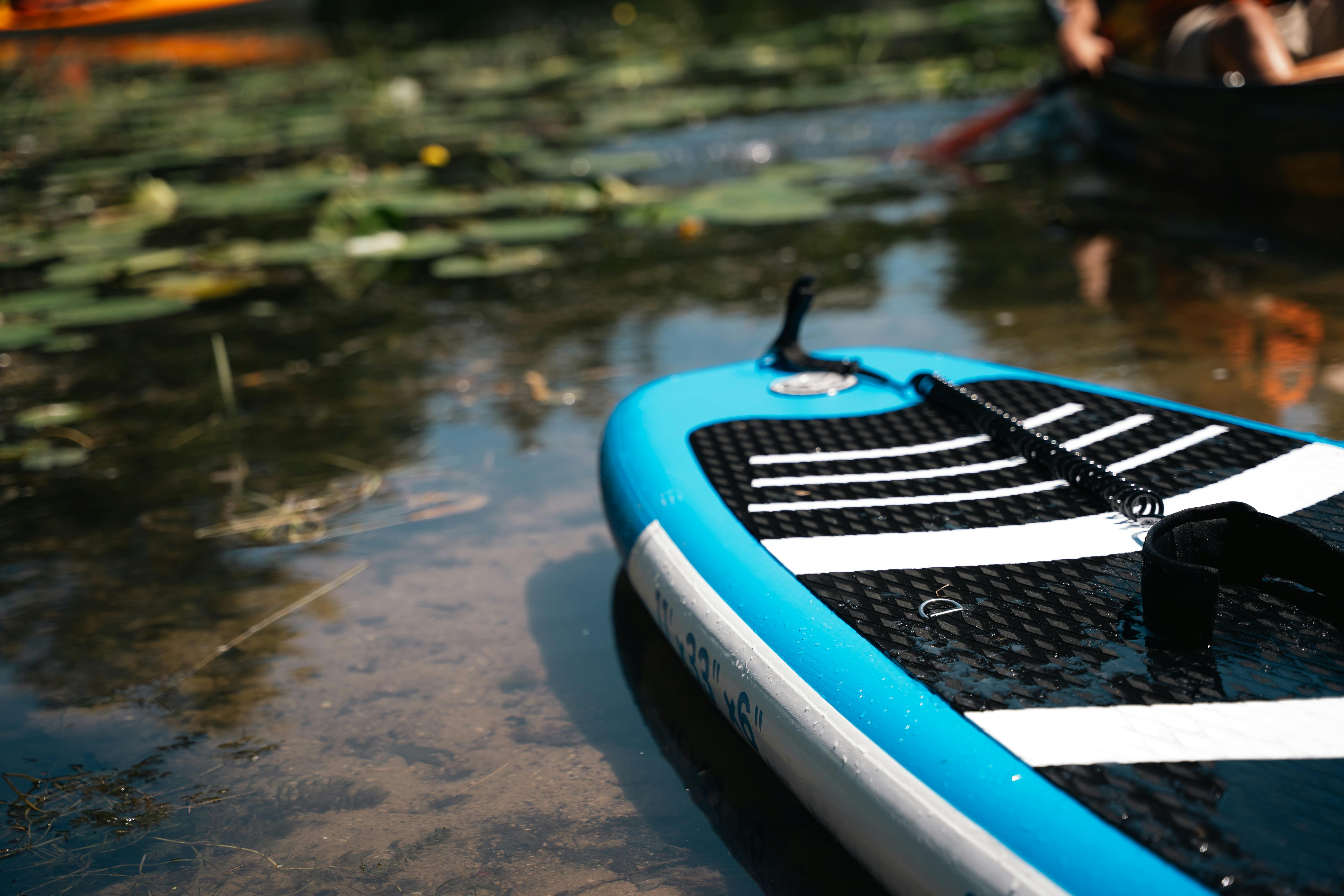
Simple answers for the end of a water day.
Use these general care reminders alongside the instructions for your specific Aqualen product, material, and activity.
Should I rinse water-use gear after every outing?
Fresh-water rinsing is a useful general habit for many water-sports products, especially after salt, sand, pool water, or shoreline grit. Follow the product-specific care instructions before washing any item with sensitive materials, electronics, coatings, or special components.
Can I store gear while it is still damp?
It is better to allow equipment to dry thoroughly before long storage when the product instructions permit it. Open pockets, closures, rolled areas, and padded surfaces so hidden moisture can escape before packing.
What should I inspect before the next water day?
Check the areas that carry load or move during use: handles, straps, buckles, clips, closures, seams, fins, valves, paddle joints, leashes, attachment points, and any safety-related components specific to the product.
Should I use strong cleaners to remove marks?
Do not assume a strong cleaner is safe for coatings, foam, waterproof layers, printed surfaces, adhesives, or plastics. Start with the product instructions and use the mildest permitted cleaning method.
What if I notice damage during cleaning?
Stop and inspect the area before the next use. Do not rely on damaged equipment for a safety-related function. If you are unsure how to proceed, contact Aqualen with the product details and a clear description of what you found.
Unsure how to care for a specific item?
Contact Aqualen with the product name, the material or component you are asking about, and what happened during use or cleaning. Clear details make it easier to point you toward the right next step.
Remove residue without using more force or cleaner than the material needs.
Give pockets, folds, straps, seams, and removable parts time to air out.
Check the equipment again while packing for the next water or shoreline activity.