Size & Fit Guide
Choose water gear around the way you actually use it.
The right fit is not only about a label. Body measurements, adjustment range, activity, load, stability needs, clothing layers, and product dimensions all matter. Use this guide to narrow your choice, then confirm the specifications shown for the exact Aqualen product you are considering.
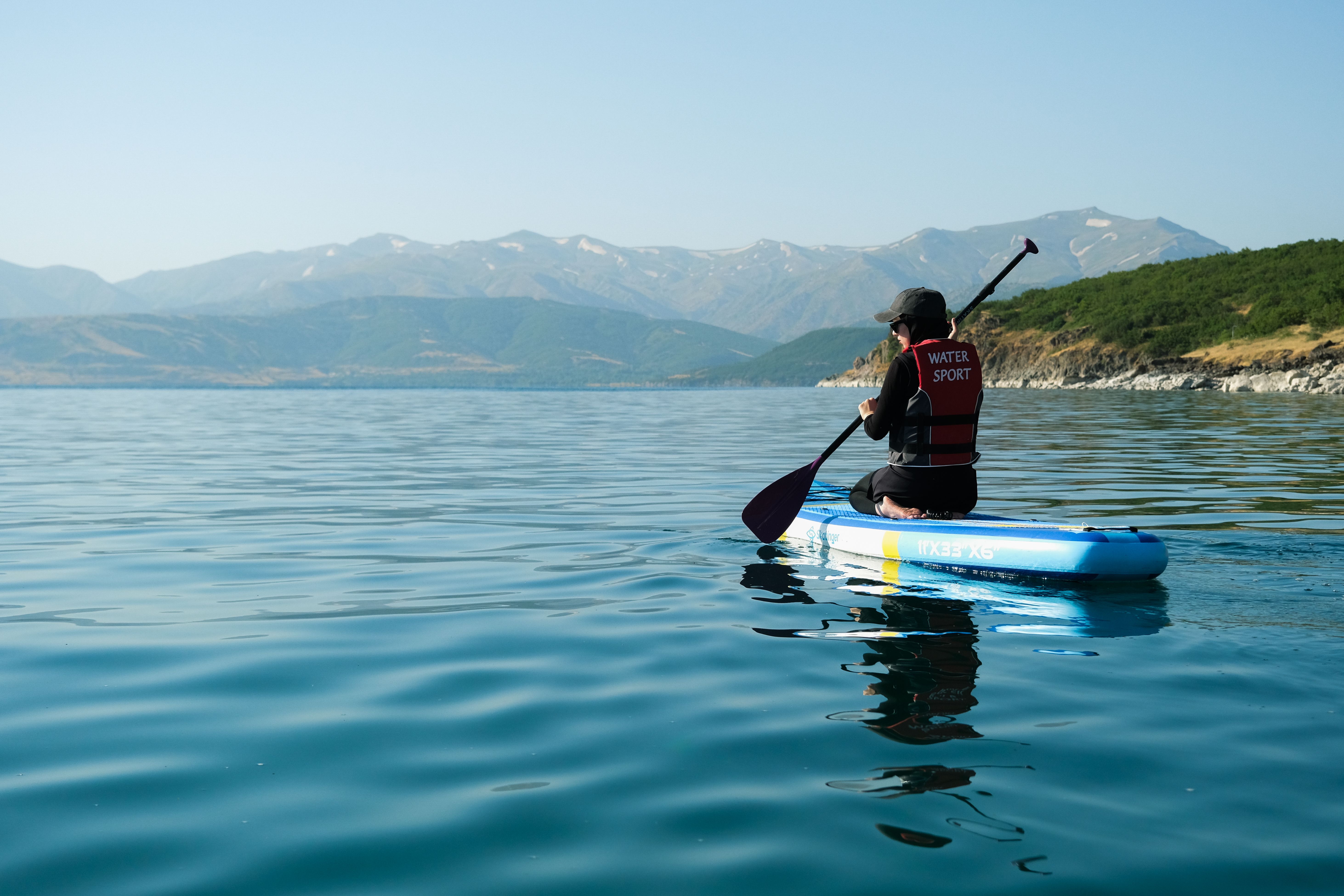
Measure first, then match the activity.
A flotation accessory, paddle, dry bag, board, portable seat, or shoreline item can all use different sizing logic. Some are body-fit products, some are equipment-fit products, and others are selected by capacity, dimensions, or intended load.
Before choosing, identify what the product needs to fit: your body, another piece of gear, the amount you carry, or the conditions in which you plan to use it. Product-page measurements and adjustment ranges should always take priority over generic assumptions.
When a product lists body measurements, user weight ranges, dimensions, capacity, adjustment limits, or compatible sizes, compare those details with your own measurements before ordering.
Four useful measurements to have nearby.
Not every item uses every measurement, but having accurate numbers makes comparison easier and helps you notice when a product page is asking for something specific.
Body measurements
For wearable or body-fit items, measure the areas named by the product instructions while wearing the clothing layers you expect to use on the water.
Body-fit gear
User and carried load
For boards, flotation equipment, seats, carriers, and similar products, consider the user plus any gear or supplies that the product specification tells you to include.
Load awareness
Equipment dimensions
Measure the item you need to pair, store, strap, protect, or carry so compatibility is based on real dimensions rather than visual guessing.
Gear compatibility
Storage capacity needs
List what you plan to pack in waterproof storage and leave practical room for closing, rolling, securing, or organizing it as designed.
Packing volume
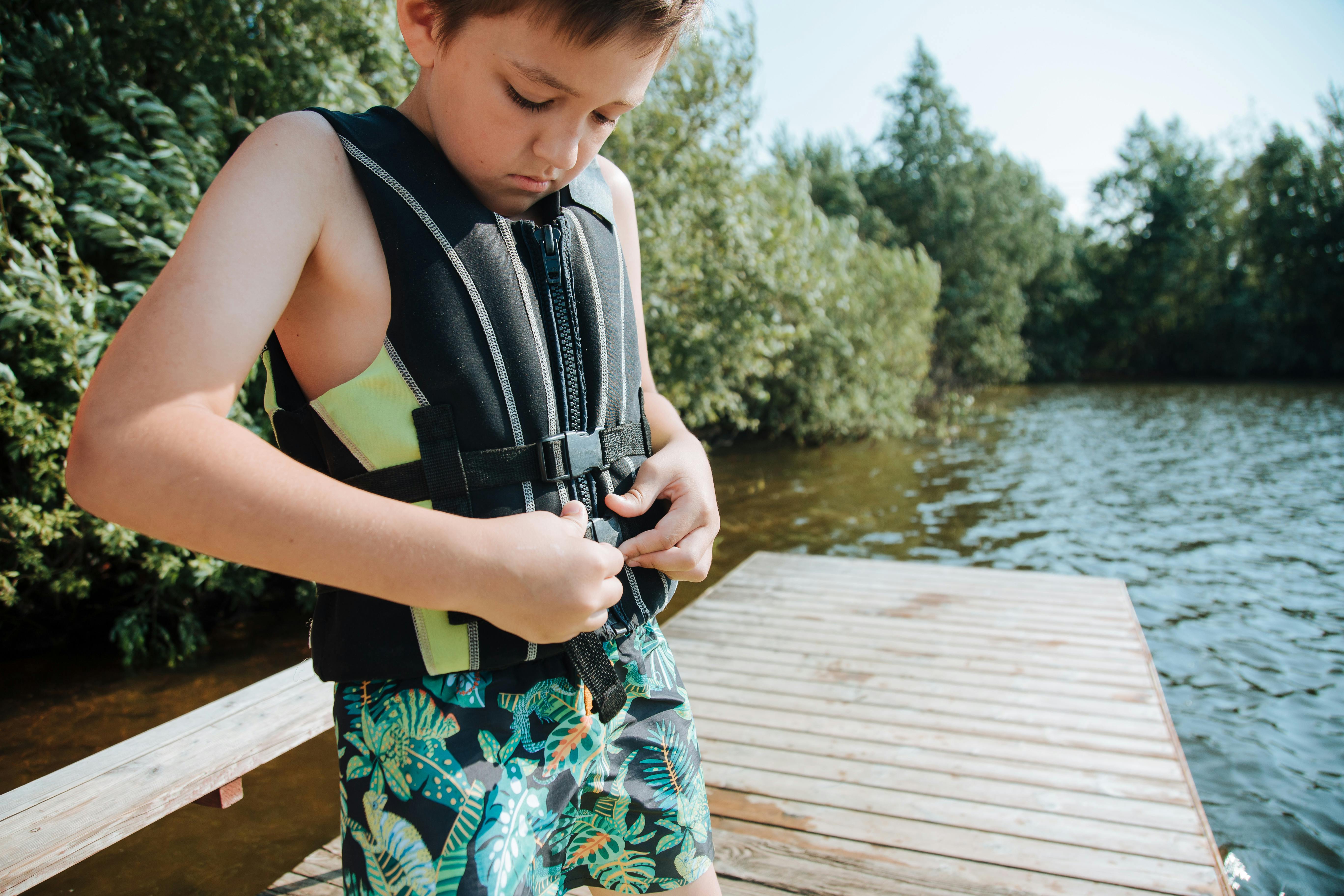
Secure should not mean restrictive.
Wearable water gear should be adjusted according to the instructions for that exact product. A useful fit check is whether the item stays positioned as intended while still allowing normal breathing, arm movement, sitting, paddling, and the body motion required for the activity.
-
Start with the listed measurement range
Use the size chart or fit range shown for the product rather than selecting only by age, height, or the size you usually wear in clothing.
-
Adjust in the order described
Set straps, buckles, closures, or adjustment points according to the product instructions so tension is distributed as intended.
-
Check movement before entering the water
Move your shoulders, sit, stand, reach, and mimic the activity on dry land to identify pressure points, slipping, or blocked movement.
Three different kinds of fit.
Water recreation products often fall into one of three sizing decisions: fitting a person, fitting the activity and load, or fitting other equipment and supplies.
Flotation and wearable accessories
Prioritize the body measurements and adjustment range named for the product, then verify movement and secure positioning before use.
- Measure the exact body area requested by the product guide.
- Account for practical clothing layers used during the activity.
- Check that adjustment remains within the intended range rather than at an extreme limit.
Boards, paddles and portable recreation gear
Consider user size together with intended use, stability needs, carry weight, gear load, and the product dimensions or capacity guidance provided.
- Review the stated user and load guidance for the exact model.
- Compare length, width, thickness, adjustment, and carry dimensions where listed.
- Think about whether the gear will be used solo, shared, transported, or packed with extra equipment.
Dry bags, storage and water-use accessories
Match the product to the dimensions and volume of what you need to protect, carry, attach, or organize rather than choosing by appearance alone.
- Measure the largest item you plan to place inside or attach to the accessory.
- Leave room for closures, roll tops, straps, padding, or fastening systems to work correctly.
- Confirm attachment points and compatible dimensions when the product is meant to pair with other gear.
Size affects more than transport.
For paddle-sports equipment, dimensions can influence stability, carry effort, storage needs, deck space, and how the gear feels in the conditions and activity you have in mind. Use the manufacturer specifications to compare models rather than assuming larger or smaller is automatically better.
Include the user and any gear the product instructions tell you to count when comparing capacity guidance.
Calm lakes, sheltered shoreline recreation, carrying from a parking area, and compact storage can place different priorities on dimensions and portability.
Paddles, leashes, seats, bags, straps, fins, and storage accessories should be checked for compatibility with the exact equipment you choose.
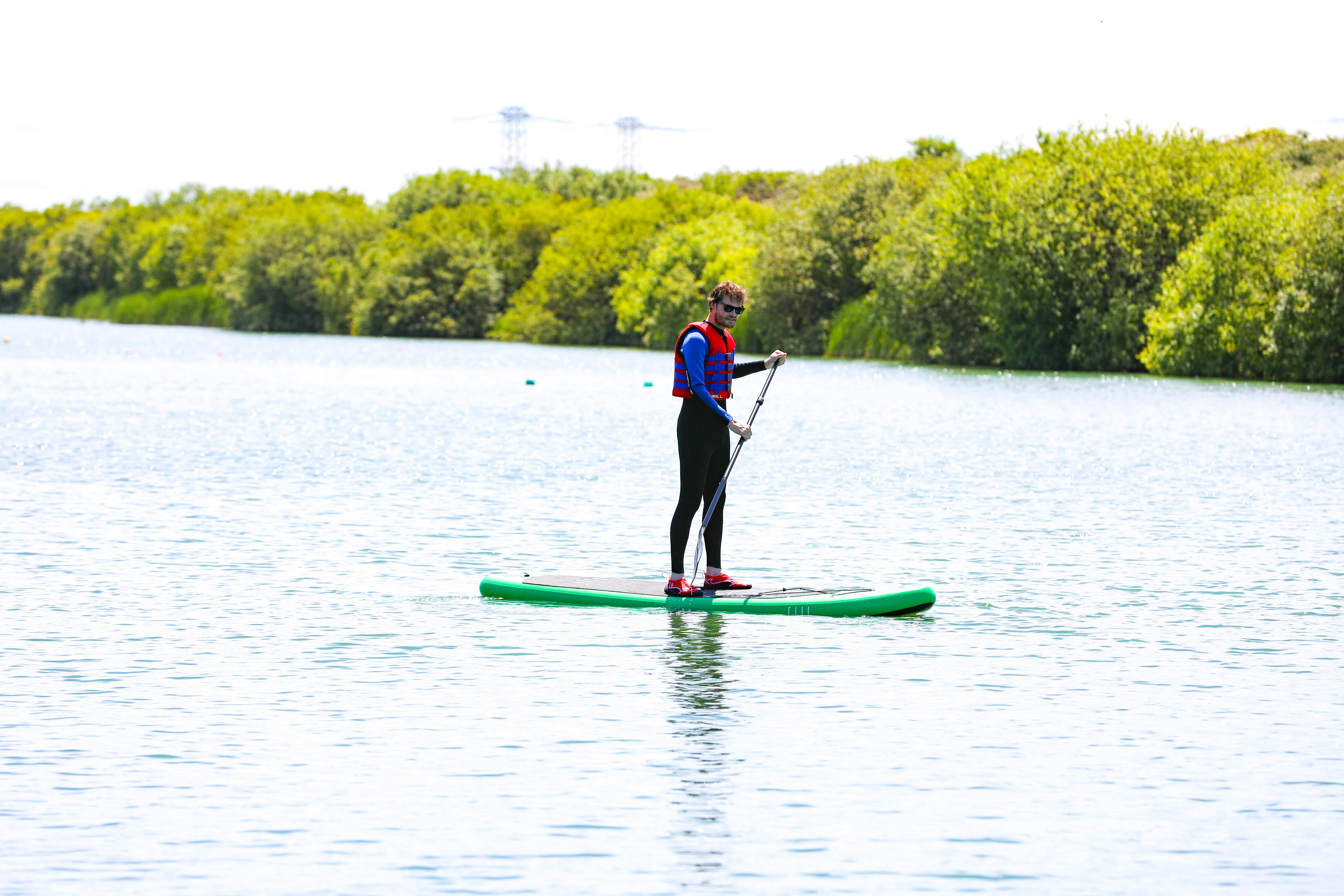
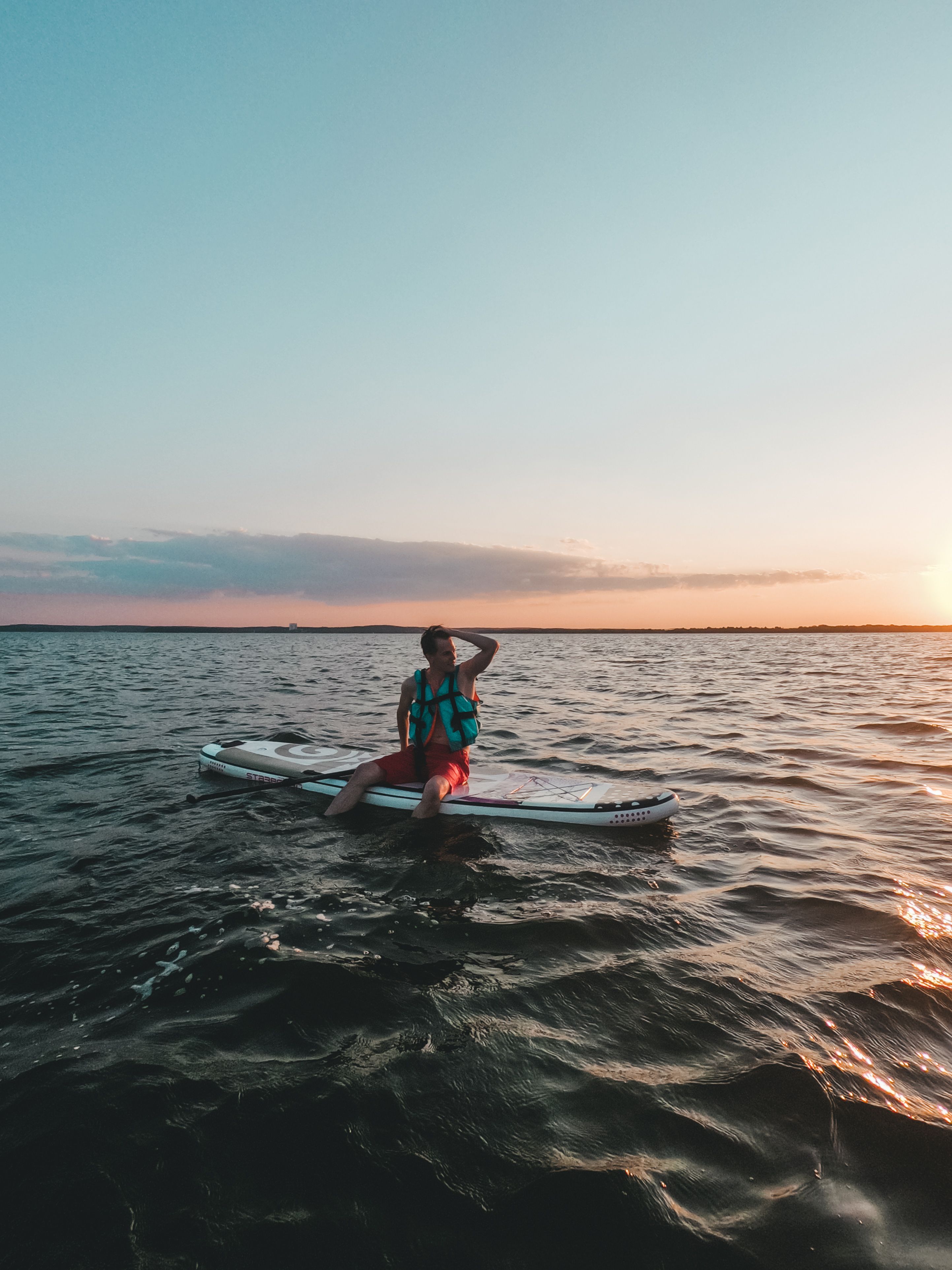
A fit check belongs on dry land first.
For flotation and other safety-related accessories, follow the product instructions and applicable local requirements. Fit, adjustment, condition, intended user, and intended activity all matter, and damaged or poorly fitting equipment should not be treated as if it were unaffected.
-
Confirm the intended user range
Use the body measurement, weight, or user guidance stated for the exact product rather than estimating from appearance.
-
Inspect every adjustment point
Check buckles, webbing, closures, straps, seams, and other relevant components before relying on the item during recreation.
-
Recheck as users or layers change
Growth, different clothing, another user, or changed adjustment settings can alter fit even when the product itself has not changed.
A clearer way to compare before you order.
These general answers help you interpret size and compatibility information while keeping the exact product specifications as the final reference.
What if I am between two listed sizes?
Review the measurement range, adjustment limits, intended use, clothing layers, and any product-specific fit notes. If the product page does not give enough information to choose confidently, contact Aqualen with your measurements and the item you are considering.
Can I choose a wearable product using my usual clothing size?
Not unless the product specifically instructs you to do so. Water-sports wearables can use chest, torso, waist, weight, or other fit criteria, so compare the measurements named in the product guide rather than relying only on everyday clothing size.
How do I choose the right dry bag or waterproof storage size?
List the items you need to carry, note the largest dimensions, and leave practical room for the closure system to work as designed. Compare that need with the capacity and dimensions stated for the product.
How should I compare paddle-sports equipment?
Compare the exact product dimensions, stated capacity guidance, intended use, storage needs, carry distance, and compatible accessories. User experience and water conditions can also influence which characteristics matter most.
What information should I send if I need fit help?
Send the product name, the size or option you are considering, the measurements requested by that product, and a short description of the activity and gear you plan to use with it.
Have the measurements but still unsure?
Contact Aqualen with the product you are considering, your relevant measurements, the intended user, and how you plan to use the gear. The more specific the context, the easier it is to review the product information with you.
Use the dimensions and body measurements requested by the exact product.
Consider movement, load, storage, compatibility, and the way the gear will be used.
Product-page ranges and compatibility details should remain your final reference.